Power from
both sides.
Heterojunction utility modules up to 725 W, built on an automated U.S. line.
- Peak power
- 725 W1
- Top power class · At the 725 W class
- Standard test conditions (1,000 W/m², 25 °C, AM 1.5), per the Utility ULTRA HJT data sheet.
More from the rear, less lost to heat
Heterojunction cells add thin layers of amorphous silicon to both faces of an n-type silicon wafer. In Kiwa PVEL's 2026 Scorecard testing, HJT modules as a group showed higher median bifaciality and a better temperature coefficient than the TOPCon and PERC modules most of the market builds.
On trackers and reflective ground, both show up directly in the energy model.
How the cell worksIndustry benchmark: median bifaciality by cell technology, all manufacturers
Median power temperature coefficient (lower loss is better)
- HJT
- −0.26%/°C
- Back contact
- −0.27%/°C
- TOPCon
- −0.29%/°C
- PERC
- −0.32%/°C
What those numbers do on a hot tracker site
Two calculations an energy model runs on every hour of the year: power lost when cells run hot, and power gained from light reaching the rear.
| Cell technology | Power lost at 65 °C cell temperature | Rear-side gain per 10% rear irradiance |
|---|---|---|
| HJT | −10.4% | +8.6% |
| Back contact | −10.8% | +7.1% |
| TOPCon | −11.6% | +7.7% |
| PERC | −12.8% | +7.0% |
Worked example using Kiwa PVEL 2026 Scorecard medians (industry data, not Solarix results). First-order estimate: loss = temperature coefficient × (65 °C − 25 °C cell temperature), excluding irradiance, spectral and soiling effects. Gain = bifaciality × 10% rear irradiance, before mismatch and shading losses. Your PAN file and site model govern.

 product line
Utility ULTRA HJT
Bifacial, dual-glass, galvanized steel frame. For fixed-tilt and single-axis tracker projects where rear-side yield and long-term degradation decide returns.
- Power output
- up to 725 W
| Gate | What it requires | What Solarix provides |
|---|---|---|
| Foreign-entity restriction | Material assistance cost ratio at or above the threshold for the year construction begins (40% for 2026), under interim guidance in IRS Notice 2026-15. Separately, taxpayers that are specified foreign entities or foreign-influenced entities are ineligible. | Supplier certifications for the module bill of materials, on request. |
| Domestic content bonus | U.S. steel and iron, plus a U.S. share of manufactured-product cost at or above the statutory percentage, calculated with the Notice 2025-08 safe-harbor tables. | Component cost data in the safe-harbor format. |
| Customs and forced labor | Documents tracing each material back to the quartzite, to support U.S. Customs reviews of imported inputs under the Uyghur Forced Labor Prevention Act. | Chain-of-custody records per shipment. |
| Delivery | Modules on site when the racking crew is. | Finished modules ship from the Forest, Virginia plant. |
Orientation only, not tax advice. Status as of November 2026. Your tax counsel determines eligibility.
Compliance documentationWhat your independent engineer will ask for
| Document | Issued by |
|---|---|
| Data sheet and PAN / OND files | Solarix |
| Domestic content and FEOC documentation | Solarix |
Who we supply
Solar Technology Outlook 2030 · independent industry data
Solar runs on a semiconductor roadmap.
Read the outlookEfficiency
Tandem lab cells have passed the single-junction limit
Demand
U.S. data center electricity, 2024 to 2030
- 35.5%
- Certified tandem lab cell (LONGi, ESTI), July 2026
- 26%
- Module price decline per doubling of shipments, 1976–2025
- 12.0 → 4.3
- Heterojunction silver, mg/W, 2025 to 2036 (projection)
- 649 TWh
- U.S. data center use in 2030, LBNL reference case (projection)
Third-party laboratory, survey and government data. These figures describe the industry, not Solarix products.
Insights
All insights
Veteran-led
Solarix is led by CEO Carlos Class Jr., a U.S. Army veteran. Its CTO and COO have worked together on heterojunction technology for more than a decade.
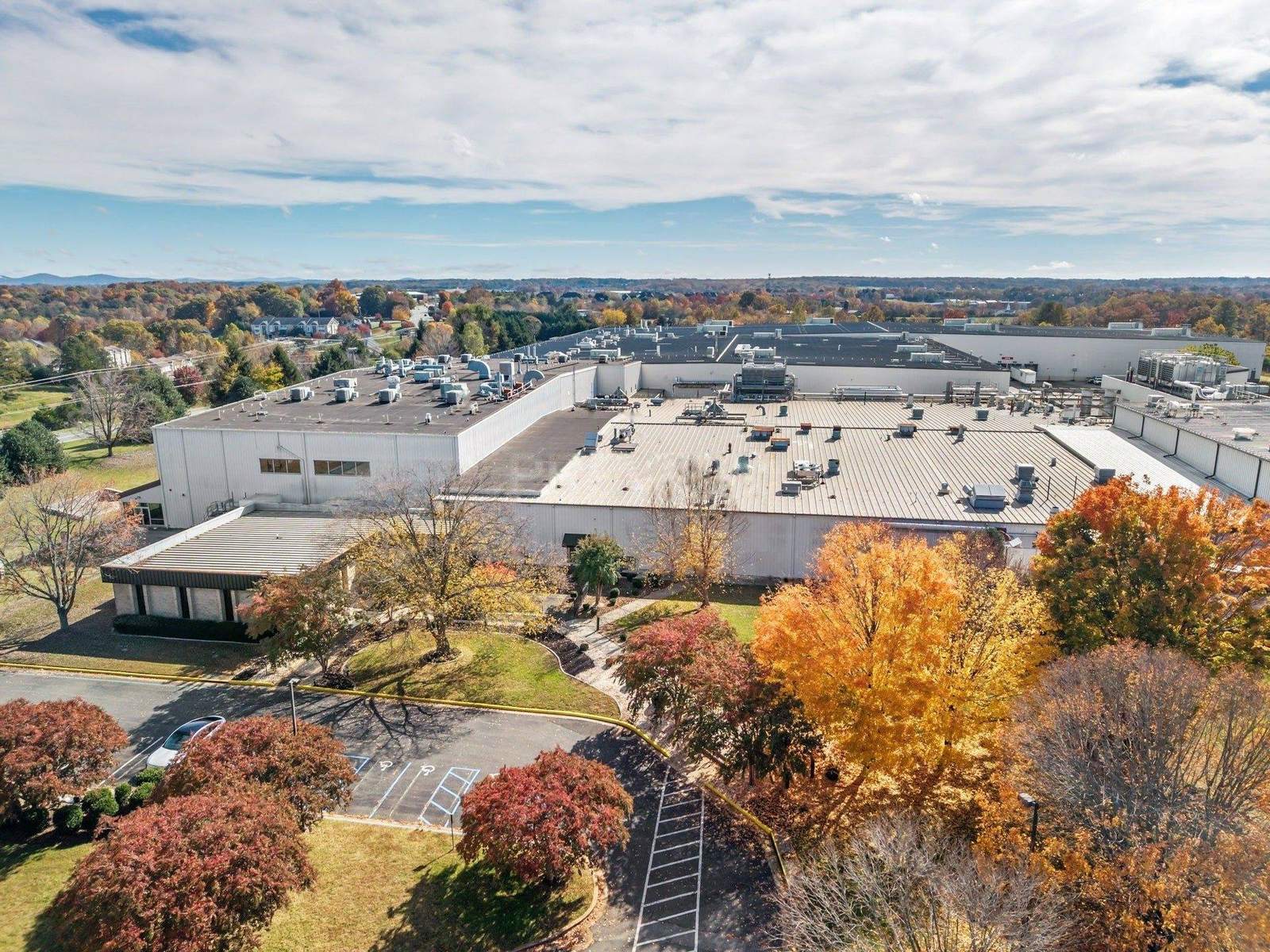
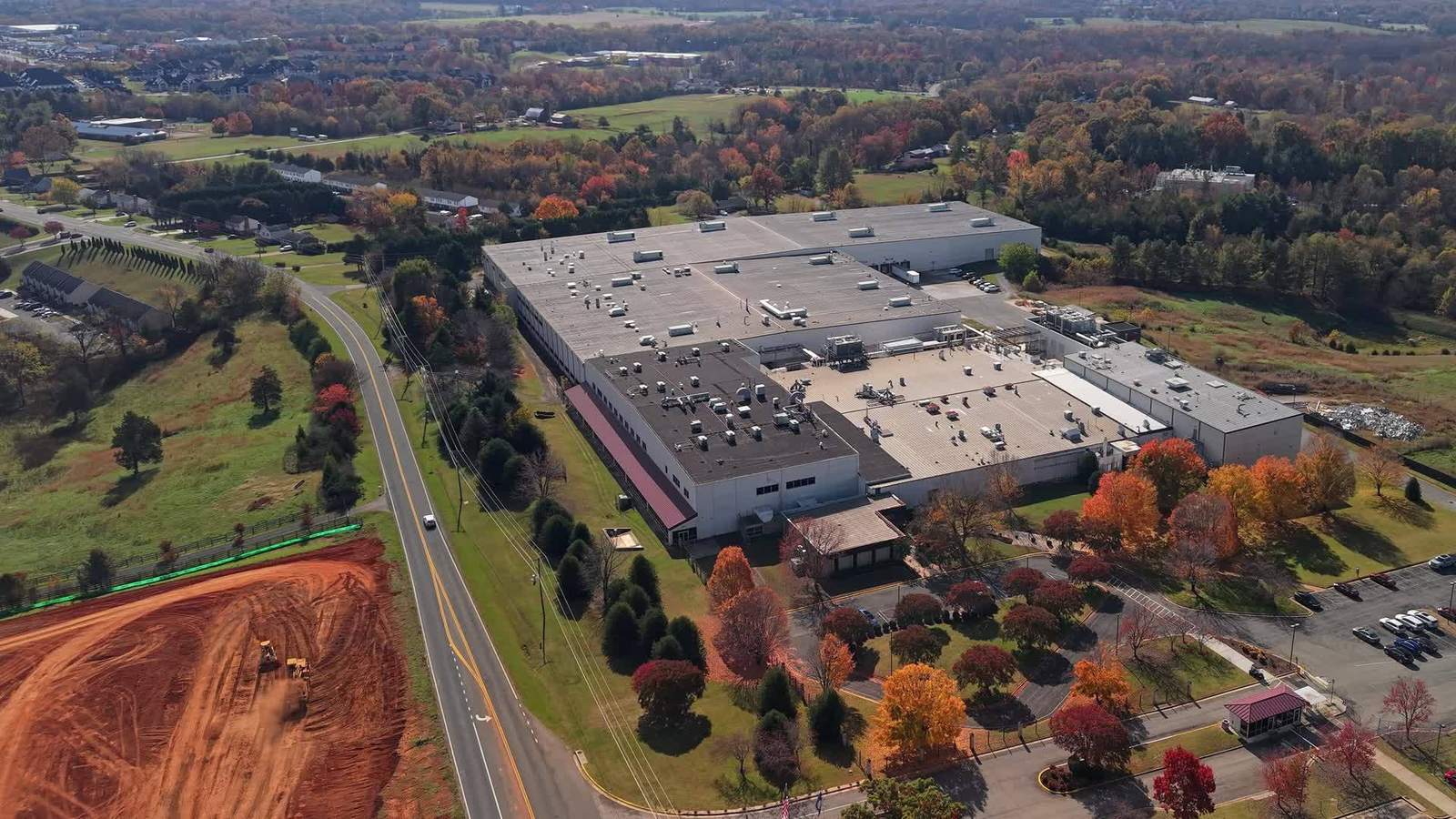
In 2024, Solarix acquired a former pharmaceutical plant of more than 420,000 square feet and converted it to automated module manufacturing.
Leadership