- Power class
- Up to 725 W
- Per module
- Modules per 100 MWdc
- 137,932
- At the 725 W class
Rear-side gain shows up in the energy model
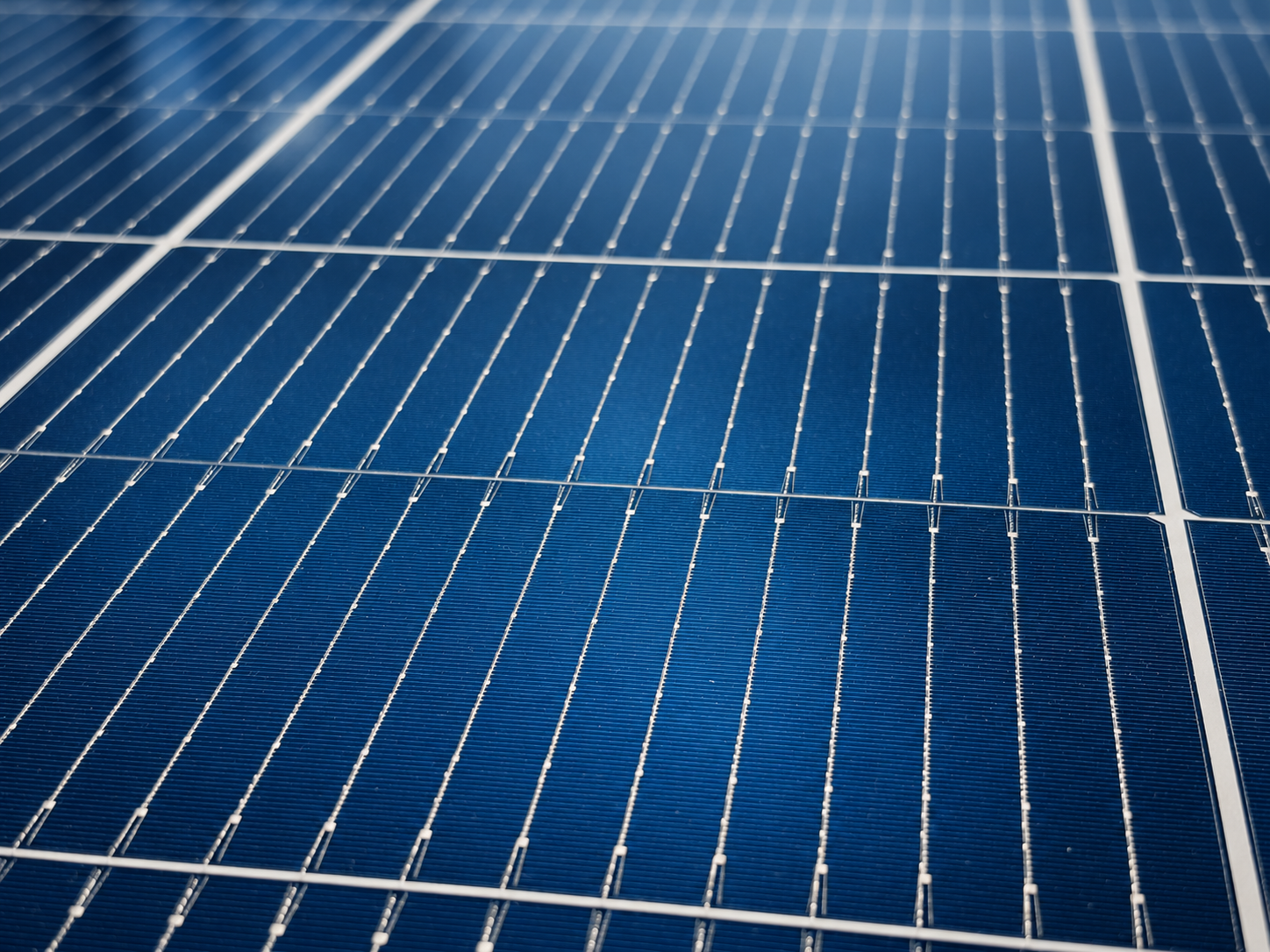
On trackers and reflective ground, the back of a bifacial module collects reflected light. Heterojunction cells convert more of it: independent testing found a median bifaciality of 86.2% for HJT, against 76.5% for TOPCon.
Medians from PAN testing, Kiwa PVEL 2026 PV Module Reliability Scorecard; industry data, not Solarix results. Request the PAN file for project-specific modeling.
Single-axis trackers
Fixed-tilt and single-axis tracker projects.
Hot sites
Median HJT temperature coefficient of −0.26%/°C in independent testing, against −0.29%/°C for TOPCon.
Project economics
The cost of utility-scale solar energy is rising.
Lawrence Berkeley National Laboratory’s average levelized cost of U.S. utility-scale solar rose from $49 to $61 per megawatt-hour between 2022 and 2025, before tax credits.
LBNL attributes the rise to higher capital and financing costs, and to lower expected performance as more projects are built in less sunny regions.
Module counts at the 725 W power class
- 1 MWdc
- 1,380
- modules
- 10 MWdc
- 13,794
- modules
- 100 MWdc
- 137,932
- modules
DC capacity ÷ 725 W, rounded up. Final counts depend on the power class you specify and your string design.
From first inquiry to energized site
Diligence
Certifications, test reports and sourcing documentation for lenders and independent engineers.
Commercial terms
Volume, delivery schedule and pricing agreed with project sales.
Supply
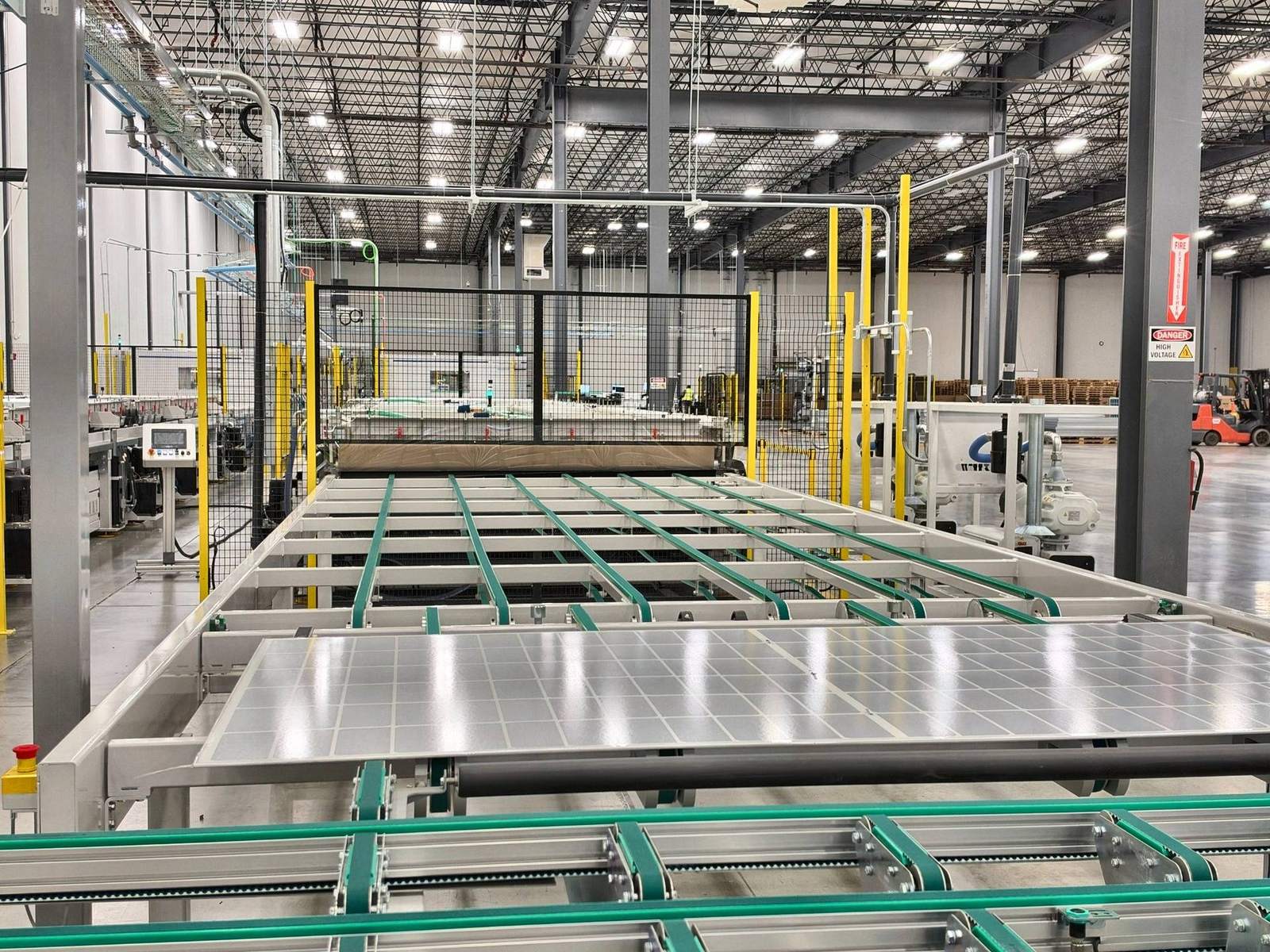
Modules ship from Forest, Virginia to your site.
Request supply for a utility-scale project
Share size, location and timing and project sales will follow up.